






- July 27, 2026
Andy Burnham Considers Immigration Exemption for Care Workers Amid Social Care Staffing Crisis
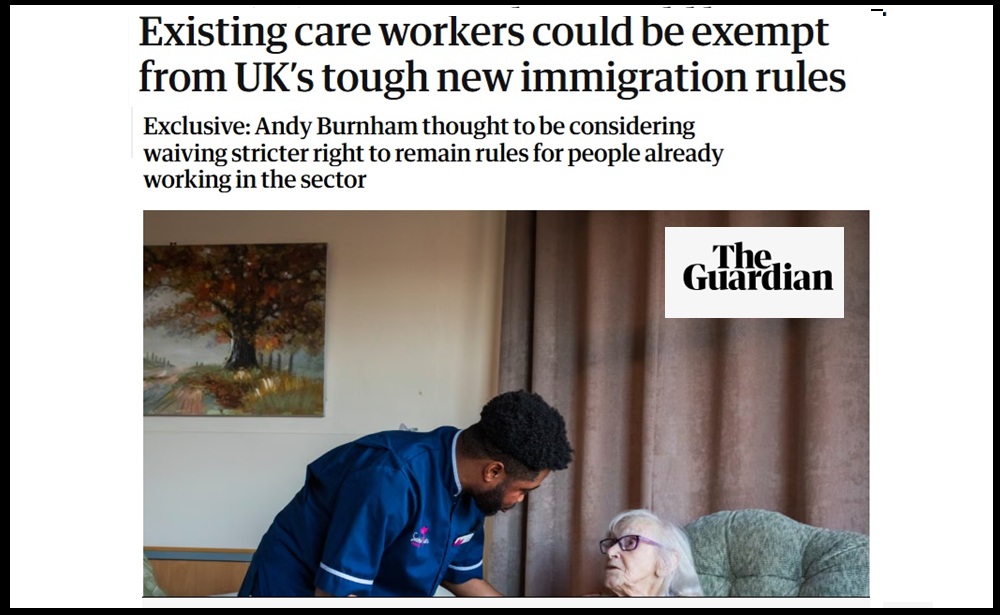
LONDON July 27: UK Prime Minister Andy Burnham is considering whether care workers already living and working in the UK should be exempt from proposed tougher immigration settlement rules, in an effort to protect the social care sector from further staffing pressures.
The proposal is being examined as part of wider plans to reform social care and accelerate the creation of a National Care Service before the next general election. Burnham is expected to set out his ambitions for social care reform in an upcoming speech, with the sector expected to be a major focus of his government’s domestic agenda.
Possible Exemption for Existing Care Workers
Under proposed immigration reforms, migrants could face a longer pathway to indefinite leave to remain (ILR), with settlement potentially requiring 10 years of residence rather than the current five-year route for many workers.
However, government discussions are reportedly considering whether care workers who are already in the UK should be protected from these changes, while applying stricter rules only to future arrivals. The proposal would be reviewed following the Home Office consultation process later this year.
Supporters of an exemption argue that many overseas care workers arrived in the UK under existing rules and made career and financial decisions based on the settlement pathway available at the time. Care providers have warned that changing the rules could lead to experienced staff leaving the sector at a time when recruitment difficulties remain severe.
Social Care Reform as a Political Priority
Burnham has made social care reform one of his key priorities and has spoken publicly about the personal impact of the current system. His father, Roy Burnham, has Alzheimer’s disease, giving him direct experience of the challenges faced by families and care workers.
Speaking about the need for reform, Burnham said the social care system had been neglected for too long and that staff working in the sector were not responsible for its problems. He has argued that major changes are needed to improve standards, workforce stability and long-term funding, even if politically difficult decisions are required.
Pressure Over Immigration Settlement Changes
The possible exemption comes amid growing debate over the government’s planned immigration reforms. Under the proposals, foreign nationals applying for settlement would face stricter requirements, including longer residency periods, stronger English language requirements, and checks on issues such as criminal records and outstanding debts.
The changes have created divisions within Labour, with some MPs, trade unions and health organisations calling for protections for migrants already living in the UK.
Supporters of the reforms argue that tighter settlement rules are needed to control future costs and ensure the immigration system is sustainable. Critics argue that changing conditions for people who arrived under previous rules could damage trust and worsen staffing shortages in essential services.
Impact on Health and Care Workforce
The UK has relied heavily on international recruitment to support health and social care. Around 200,000 Health and Care Worker visas have reportedly been issued over the past five years, excluding additional visas granted to dependants. Healthcare organisations have warned that extending the settlement pathway could encourage experienced workers to leave the UK.
The Royal College of Nursing (RCN) has called for a faster route to settlement for internationally educated nurses and for lower ILR application fees. The organisation has warned that changes to settlement rules could contribute to significant numbers of overseas nursing staff leaving the UK. The RCN has argued that retaining internationally trained workers is essential while the UK works to expand its domestic nursing workforce.
Concerns About Workforce Movement Between Care and the NHS
Care sector leaders have also raised concerns that immigration reforms could create unintended consequences by encouraging workers to move from social care into NHS roles.
Care England has warned that if NHS employment receives more favourable treatment under settlement rules than social care employment, workers may leave care providers to secure a faster route to settlement. The organisation has already reported cases where staff have resigned to move into NHS roles because of concerns about future immigration eligibility.
Funding and Future Reform
Alongside immigration changes, the government is considering measures to support social care financially, including increasing funding through initiatives such as the Better Care Fund. Options being explored include expanding short-term care support for patients leaving hospital to reduce pressure on the NHS and prevent repeat admissions. Burnham has also indicated that further taxation may need to be considered to fund long-term reform of the social care system.
What Happens Next?
The proposed exemption for care workers remains under consideration and no final decision has been announced. The Home Office is expected to review consultation responses before confirming how the new settlement rules will operate. Any final policy will need to balance the government’s aim of reducing immigration pressures with the immediate workforce needs of social care, healthcare and other essential public services.