






- November 6, 2026
Keralite Nurse in the UK Turns Personal Tragedy into a Mission to Raise Organ Donation Awareness
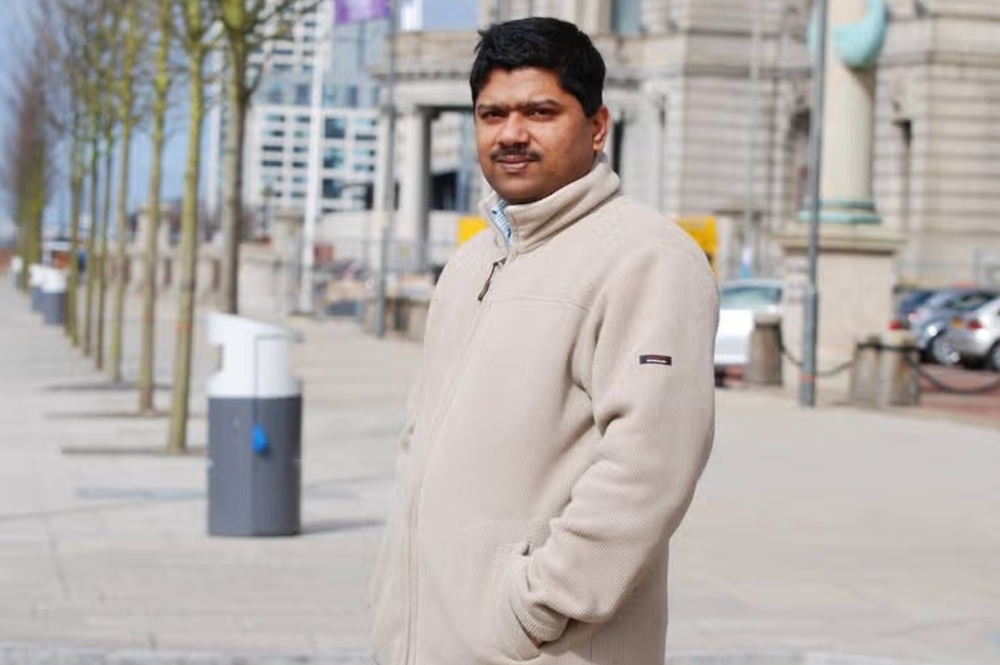
LONDON Nov 6: A Keralite nurse living in Manchester, UK, has transformed the heartbreaking loss of her husband into a powerful mission to raise awareness about organ donation, encouraging people, particularly those from ethnic minority communities, to consider giving the gift of life.
Bindhu Brion Xavier, 51, lost her husband, Brion Xavier, a professional driver, at the age of just 41 following a sudden and severe brain haemorrhage in November 2014. Despite the devastating tragedy, Brion’s organ donation went on to save the lives of three people, giving his family a lasting source of comfort amid their grief.
The tragedy began on November 16, 2014, when Brion complained of a headache in the early afternoon. Initially believing it could be a seasonal illness, Bindhu administered paracetamol and ibuprofen.
However, his condition gradually worsened. Later that evening, while Bindhu was preparing for her night shift as an intensive care nurse at Wythenshawe Hospital, Brion continued to experience discomfort.
At around 11pm, during a break from work, Bindhu became concerned about her husband’s health and decided to return home to check on him.
She found Brion sitting on their bed in a darkened room, squinting at the light and complaining of pain at the back of his neck. Noticing beads of sweat on his forehead, she contacted an out-of-hours GP for medical advice.
While speaking to the doctor, Bindhu suddenly heard a snoring sound. Turning towards her husband, she found him unconscious and unresponsive. His tongue had obstructed his airway, producing the sound.
Recognising the emergency, Bindhu immediately checked his pulse and began cardiopulmonary resuscitation (CPR), while emergency services were contacted.
Paramedics arrived within minutes and continued resuscitation before rushing Brion to Wythenshawe Hospital. He was admitted to the intensive care unit, where doctors diagnosed a severe grade 5 subarachnoid haemorrhage, a rare and life-threatening form of stroke involving bleeding around the brain.
After three days in intensive care, brainstem testing confirmed that Brion’s brain could no longer support life.
Although Bindhu was devastated by the loss of her husband, she found a profound sense of purpose in knowing that Brion’s organs could help others survive.
Doctors informed her that her immediate response and timely CPR had helped preserve the viability of his organs for transplantation.
Brion’s kidneys and liver were donated, saving the lives of three people.
“I believe I was supposed to come home that day in order to preserve his organs for someone else,” Bindhu said.
She recalled that when she informed the consultant of Brion’s wish to donate his organs, the doctor called in the specialist organ donation nurses and embraced her.
For Bindhu, the knowledge that her husband’s death had given three other people a second chance at life became a source of strength during an otherwise unimaginable period of grief.
Bindhu and Brion, both originally from India, married in February 2003 and settled in Manchester. The couple had two children, Austin and Ashlene.
Brion had enjoyed good health and an active lifestyle. The family regularly travelled to India to visit relatives and underwent comprehensive health screenings. His medical tests had reportedly been normal just a month before his death.
The suddenness of the tragedy left Bindhu with a profound realisation about the importance of discussing organ donation within families.
“One day Brion was fine and we were all together, the next day he was in hospital with a brain haemorrhage. We don’t know what’s around the corner,” she said.
She believes that organ donation must become a normal topic of conversation in households, rather than something people consider only when confronted with a medical crisis.
Bindhu also acknowledged that her husband had initially been hesitant about organ donation. However, their perspective changed when a close friend was diagnosed with cancer, making them realise how precious life can be and how important it is to help others.
Following Brion’s death, Bindhu became actively involved in promoting organ, blood and stem cell donation, particularly among ethnic minority communities.
She has been associated with Upahaar, a charitable initiative founded by her friend Agimol Pradeep, a former kidney transplant ward worker at Manchester Royal Infirmary. The initiative has registered more than 10,000 organ and stem cell donors.
Bindhu is especially passionate about encouraging people from Asian and other minority backgrounds to register as potential blood and stem cell donors.
The lack of ethnic diversity among registered donors remains a significant challenge. Patients from minority ethnic backgrounds can face greater difficulties finding suitably matched donors, particularly for stem cell transplants.
Bindhu believes greater awareness, community engagement and open discussions are essential to addressing this disparity.
She has also received cards from organ recipients whose lives were transformed by Brion’s donations, offering her a deeply personal reminder of the impact of his legacy.
The UK operates an opt-out system for organ donation, under which eligible adults are generally considered potential donors unless they have recorded a decision not to donate. However, family discussions and awareness remain crucial in ensuring that donation wishes are understood and respected.
For Bindhu, Brion’s story is a reminder that even in the darkest moments, compassion can create hope for others.
Her advocacy is not simply about encouraging people to register as donors. It is about building a culture in which organ donation is understood as an act of humanity, solidarity and love.
“Organ and stem cell donation can be a gift of life for someone,” Bindhu said.
“I can’t think of a better gift than that.”
Through her work and advocacy, Bindhu continues to ensure that Brion’s legacy lives on—not only in the three lives he helped save, but also in the countless people she hopes to inspire to consider organ donation.