





- June 12, 2026
GCSE Changes Planned as Schools Raise Concerns Over Workload and Burnout
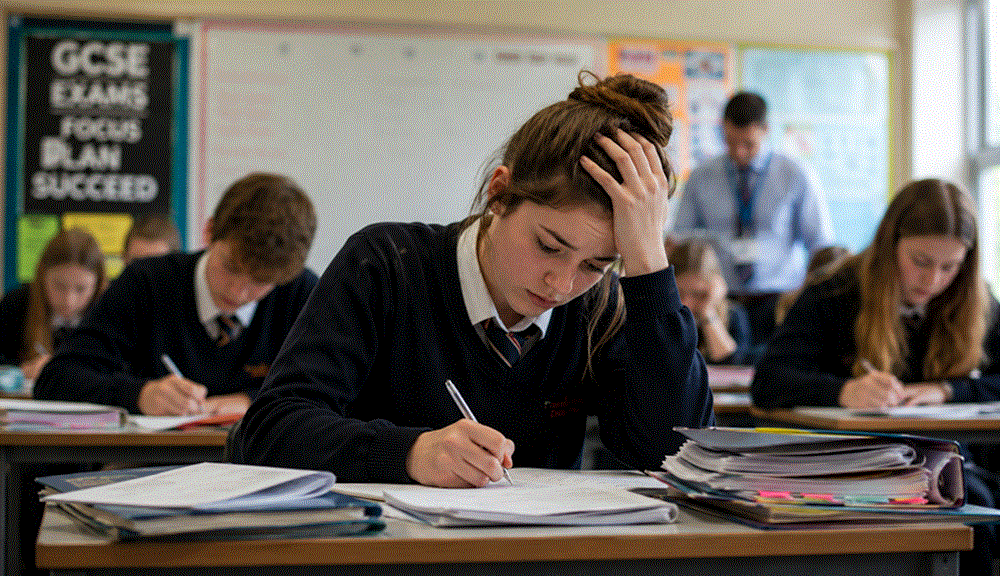
LONDON June 12: Wales’ newly introduced English language and literature GCSE could undergo significant changes less than a year after being launched, following concerns that increased assessment requirements are placing excessive pressure on both teachers and students.
The qualification was introduced in September 2025 as part of wider reforms to Wales’ curriculum. However, concerns have emerged about the amount of work involved, particularly the growing use of non-examination assessments (NEAs) throughout the academic year.

The WJEC exam board has now launched a consultation on proposed changes to the English and Welsh GCSE qualifications, saying it has carefully considered feedback from schools and education professionals regarding workload and manageability.
School leaders have welcomed the review. The Association of School and College Leaders (ASCL) Cymru described the additional workload created by the new GCSEs as “totally unmanageable” and said it was relieved that changes were being considered.
Unlike traditional GCSEs, some of the new courses place greater emphasis on NEAs rather than final examinations. These assessments can include oral presentations, practical tasks, coursework portfolios and fieldwork, much of which is organised and marked by teachers.
Following feedback from schools, WJEC said it had concluded that “significant adjustments” are needed to the English language and literature GCSE. Proposed changes include reducing the amount of oracy assessment and removing requirements for certain planning and research activities to be completed under close teacher supervision.
Any major changes would apply to pupils beginning Year 10 in September 2026. Students already studying the qualification would continue under the current arrangements.
The exam board is also considering more limited revisions to Welsh language and literature GCSEs. While no assessment tasks would be removed, WJEC said it was exploring ways to make the qualifications easier to deliver. Any changes to Welsh qualifications would take effect from September 2027.
The review follows growing concerns from teachers about the demands of preparing, supervising and marking assessments, as well as the impact on learners. Earlier this year, headteachers in Cardiff wrote to WJEC and Qualifications Wales warning that the reforms were placing schools under “extreme pressure” and calling for urgent action to protect staff wellbeing and pupil learning.
A WJEC spokesperson said the board had been working closely with teachers, school leaders, Qualifications Wales and other stakeholders to identify ways of improving the qualifications while maintaining educational standards.
The consultation will remain open until mid-June, with final decisions expected before the end of the summer term.
Claire Armitstead, director of ASCL Cymru, said the workload implications of the new GCSEs had been evident from the beginning.
“It has been clear from the outset that the level of additional workload the new GCSEs have placed on schools is totally unmanageable,” she said. “We are therefore relieved that WJEC is looking to make adjustments in consultation with the profession.”
Teaching union UCAC also welcomed the consultation, saying it was pleased that concerns raised by teachers and pupils were being taken seriously. The union said it hoped any resulting changes would reduce pressure on both learners and staff.
Meanwhile, Qualifications Wales said it supported WJEC’s efforts to address concerns linked to non-examination assessments in a small number of subjects. The regulator confirmed that any proposed changes would need its approval before being implemented and said it would continue working with WJEC and the Welsh Government to ensure the successful rollout of the new GCSE qualifications.