






- December 23, 2025
What ultra-processed food does to your body after days, months and years
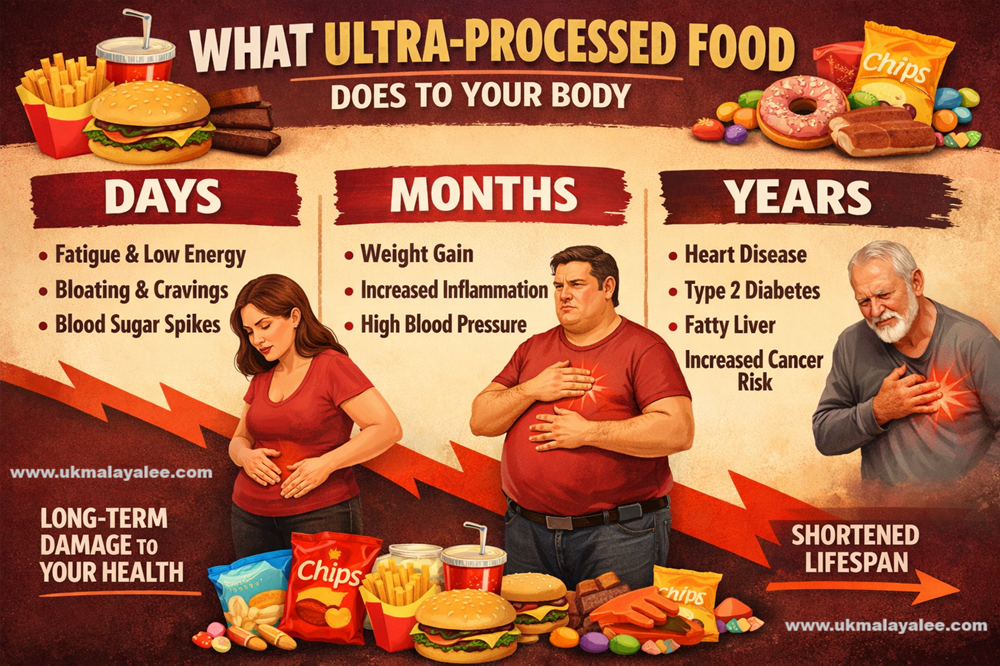
LONDON Dec 23: A microwave meal can feel like a lifesaver after a long day, and grabbing a packet of crisps on the go is undeniably convenient. But before reaching for these ultra-processed foods (UPFs), it may be worth pausing. Growing evidence suggests that regular consumption of UPFs—such as ready meals, biscuits, sugary cereals, soft drinks and packaged snacks—has been linked to thousands of premature deaths in the UK.
Research published in the American Journal of Preventive Medicine found that ultra-processed foods account for 53% of total energy intake in the UK, second only to the US at 55%. Using modelling data, researchers estimated that 17,781 premature deaths in the UK in 2018/19 could be linked to UPF consumption. This aligns with a growing body of evidence: a 2024 review in the British Medical Journal (BMJ) linked high UPF intake to an increased risk of 32 different illnesses, including early death, heart disease, cancer, type 2 diabetes and poor mental health.
While experts agree that more research is needed, one conclusion is already clear: replacing whole foods with ultra-processed alternatives is harmful. But what exactly happens inside the body when UPFs become a dietary staple—over days, months and years?
What happens after a few days
Lily Keeling, registered nutritionist at Green Chef, explains that ultra-processed foods are typically high in calories but low in nutrients. Their long shelf life, convenience and enhanced flavours make them easy to overconsume.
“After just a few days, UPFs can cause sharp spikes in blood sugar,” she says. “This leads to hunger returning quickly, lower energy levels, and a feeling of never being fully satisfied.” Because these foods are often eaten quickly, the brain may not register fullness in time, increasing the risk of overeating.
Nutritional therapist Kerry Beeson of Prep Kitchen adds that people may initially feel a false sense of energy when eating UPFs. “High sugar, salt or caffeine content can give a temporary boost, tricking you into thinking the food is beneficial,” she explains. Sugar causes a blood glucose spike, while caffeine stimulates the nervous system. These foods also activate the brain’s reward pathways, triggering dopamine release and short-term pleasure. However, the effects are fleeting. “The crash comes quickly, leaving you tired and sluggish,” Kerry says.
Even during this brief ‘high’, less visible damage is occurring. The pancreas is forced to produce more insulin to manage excess sugar, sodium intake can raise blood pressure and cause water retention, and inflammatory fats may worsen joint pain. Meanwhile, the gut microbiome suffers: sugar feeds harmful bacteria and yeasts, while additives damage beneficial gut bacteria, leading to bloating and indigestion.
After weeks of regular consumption
According to Keeling, sleep quality often declines after weeks of eating UPFs. “People tend to feel more sluggish and are less likely to enter deep sleep,” she says. This is partly because UPF-heavy diets lack whole foods—such as nuts, kiwis and cherries—that contain nutrients involved in regulating sleep hormones. Daytime functioning may also deteriorate. As Kerry notes, the more ultra-processed foods you eat, the greater the strain placed on the body’s systems.
After months
Months of relying heavily on UPFs can result in weight gain, chronic fatigue and significant gut damage, says Keeling. “These foods lack the fibre and diversity needed to support a healthy gut microbiome.”
This has mental health implications too. The gut and brain are biochemically connected via the gut–brain axis. Harvard Health explains that the two constantly communicate, which is why anxiety can trigger digestive upset—and vice versa. When UPFs disrupt gut health, they may also contribute to feelings of stress, anxiety and low mood.
Ingredients commonly found in UPFs, including emulsifiers and artificial sweeteners, are known to disturb gut bacteria, worsening gastrointestinal symptoms and potentially influencing mental wellbeing.
Long-term health risks
The BMJ review of UPF studies paints a concerning long-term picture. High consumption of ultra-processed foods is associated with:
50% higher risk of death from cardiovascular disease
48–53% increased risk of mental health conditions, including anxiety
12% higher risk of type 2 diabetes
21% increased risk of death from any cause
40–66% higher risk of heart disease
22% greater risk of depression
Increased likelihood of obesity, sleep disorders, asthma, high cholesterol and ongoing gastrointestinal issues
Can you cut them out completely?
Experts acknowledge that eliminating ultra-processed foods entirely isn’t always realistic—and not all processed foods are harmful. However, significantly reducing UPF intake can have meaningful benefits.
Keeling cautions that cutting back may initially be uncomfortable. “You may experience fatigue or irritability at first, similar to cutting out caffeine, as your body adjusts,” she says. “But over time, the benefits of a balanced, varied diet become clear.”
She also stresses that processing itself isn’t inherently bad. “Freezing, fermenting and canning are forms of processing that can extend shelf life, reduce waste and even improve nutritional value,” she explains. Busy lives, childcare and work demands can also make UPFs the most practical option at times.
The key, she says, is moderation. “An occasional ultra-processed meal won’t ruin your health. What matters most is building an overall eating pattern that works for you and supports long-term wellbeing.”